Homeschooling in the Summer
Does learning have to stop in the summer? Of course not! There are many ways to continue the learning process during the summer months. You'll find ideas for homeschooling during the summer, ways to make the most of vacations, and a listing of summer camps.
Homeschooling in the Summer
10 Reasons to Homeschool in the Summer
These top 10 reasons for homeschooling during the summer will help you identify the advantages of year-round homeschooling. These advantages include having more days during the school year for field trips, projects, local programs, and emergencies. It also provides more routine and continuity.
Homeschooling Throughout the Summer
Homeschooling through the summer allows for increased predictability across the year, an emphasis on the value of learning, less stree, better retention, and more fun in your schooling. In this article, the author discusses these benefits and offers encouragement to give year-round schooling a try.
Kids who go to school don't homeschool in the summer
Penelope Trunk discusses the idea of whether or not a student who attends typical school during the school year is then homeschooled by their attentive parents in the summer.
How to Homeschool Through the Summer
Surprisingly, many families that homeschool year round experience homeschool burnout far less than those that take the summer off. The pressure to finish the year's curriculum within a specific time frame can become quite stressful. Take advantage of the summer months to finish up on formal schooling and fill in gaps while adding fun, hands-on learning. When we strive to develop a lifelong love of learning within the family, year-round homeschooling becomes the norm.
How to Ruin Your Kid's Summer Vacation
If your children could tell you what they really want to do for vacation, you might find out that your meticulous plans to keep them occupied this summer is all for naught.
How to Homeschool: Homeschooling Through the Summer
A light-hearted look at homeschooling through the summer months. A reminder that we never really finish anything with our children and that education is more than just finishing a textbook from cover to cover.
Summer Camps in Illinois and Beyond
Timberline Ranch Homeschool Camp
Timberline Ranch in Maple Ridge, BC, Canada, offers a series of six one-day camps on consecutive Mondays, designed specially for homelearners aged 8-16, to give some new experiences and opportunities. Meet other homeschoolers, learn new skills, take on new challenges, and more! Daily activities include riding lessons, horsemanship, riflery, archery, climbing lessons, and group activities.
Summer Algebra Institute for Kids
SAI: the Summer Algebra Institute for Kids is an enrichment program that uses algebra to unify and connected mathematics for children and teachers. One of SAI’s strengths is showing young students how algebra illustrates several “grand ideas” that show the unity and connectedness of math across grades and across topics.
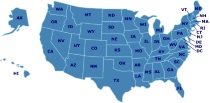
Looking for Another State?
Featured Resources
As an Amazon Associate, we earn from qualifying purchases. We get commissions for purchases made through links on this site.

Morning by Morning : How We Home-Schooled Our African-American Sons to the Ivy League
Home schooling has long been regarded as a last resort, particularly by African-American families. But in this inspirational and practical memoir, Paula Penn-Nabrit shares her intimate experiences of home-schooling her three sons, Charles, Damon, and Evan. Paula and her husband, C. Madison, decided to home-school their children after racial incidents at public and private schools led them to the conclusion that the traditional educational system would be damaging to their sons’ self-esteem...

Rhythms of Learning : What Waldorf Education Offers Children, Parents & Teachers (Vista Series, V. 4) (Vista Series, V. 4)
In numerous lectures and through teaching teachers for the first Waldorf school, Rudolf Steiner described and suggested methods of education based on the rhythmic unfolding of spirit, soul, and physiology in children as they grow. In each section of "Rhythms of Learning," Waldorf teacher Roberto Trostli introduces the reader to lectures on specific aspects of children's rhythms of development and how Waldorf education responds. We are shown how Waldorf teachers must, through their own inner capa...

They're Your Kids: An Inspirational Journey from Self-Doubter to Home School Advocate
For many people, their schooling was uncomfortable, tedious, and sometimes a waste of time and energy. This book offers the idea that the public school system is tragically flawed and that we are able to do better for our own children. Sam Sorbo, mom of three and wife of actor Kevin Sorbo, took the leap into homeschooling and found the joy and success she was seeking. Included are strategies for working parents, those who are scared to take the leap, and anyone who wants the best for their child...

Creative Home Schooling: A Resource Guide for Smart Families
For a comprehensive guide to home-based education, that does not promote any particular curriculum or religious view, this is one book parents should buy! Parents will appreciate practical advice on getting started, adjusting to new roles, designing curriculum that is both child-centered and fun, and planning for social and emotional growth. Parents will turn to their favorite chapters again and again. Features interviews and tips from many homeschool parents as well as long lists of resources...

A Little Way of Homeschooling
This book is a compilation of the experiences of 13 different homeschoolers and how they incorporated an unschooling style of teaching in their homes. This book addresses the question of whether a Catholic can happily and successfully unschool. This home education approach is presented as a sensible way to access the mystery of learning, in which it operates not as an ideology in competition with the Catholic faith, but rather a flexible and individual homeschooling path.