Science Curricula
Can homeschoolers learn science at home? Of course! Learning science in the home can be easy with these great resources, ideas, and materials.
Science Curricula
Rainbow Resource Center
In business since 1989, it is their mission to provide the best educational products to homeschoolers, parents, and educators at the lowest prices available. They currently carry over 40,000 quality educational products in all subject areas, for grades PK-12 and beyond. In addition to our great prices, you can count on us for these "perks" as well.
Christian Kids Explore Chemistry
These user-friendly, unabashedly Christian, one-year science curriculums for elementary students include teaching lessons, coloring pages, hands-on time, memorization lists, review sheets, creative writing assignments, and a supplemental book list. The Chemistry text is intended for grades 4-8, and includes such hands-on activities as making model atoms, breaking covalent bonds, and making gas expand. It also lists chemistry terms, notations, and rules. The conversational style gives students the basic information they need, making this an ideal first course in life science, especially useful for those following a classical approach.
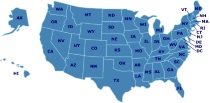
Looking for Another State?
Featured Resources
As an Amazon Associate, we earn from qualifying purchases. We get commissions for purchases made through links on this site.

A Little Way of Homeschooling
This book is a compilation of the experiences of 13 different homeschoolers and how they incorporated an unschooling style of teaching in their homes. This book addresses the question of whether a Catholic can happily and successfully unschool. This home education approach is presented as a sensible way to access the mystery of learning, in which it operates not as an ideology in competition with the Catholic faith, but rather a flexible and individual homeschooling path.

Climb Inside a Poem for Children Big Book of Poems
The poetry anthology, Climb Inside a Poem: Original Poems for Children, uses the writings of contemporary children's poets, whimsical illustrations, and an expansive big book format (14"x 18") to create a 36-page poetry playground. The children's poems crafted expressly for this collection are written by acclaimed children's authors.

Creative Home Schooling: A Resource Guide for Smart Families
For a comprehensive guide to home-based education, that does not promote any particular curriculum or religious view, this is one book parents should buy! Parents will appreciate practical advice on getting started, adjusting to new roles, designing curriculum that is both child-centered and fun, and planning for social and emotional growth. Parents will turn to their favorite chapters again and again. Features interviews and tips from many homeschool parents as well as long lists of resources...

Morning by Morning : How We Home-Schooled Our African-American Sons to the Ivy League
Home schooling has long been regarded as a last resort, particularly by African-American families. But in this inspirational and practical memoir, Paula Penn-Nabrit shares her intimate experiences of home-schooling her three sons, Charles, Damon, and Evan. Paula and her husband, C. Madison, decided to home-school their children after racial incidents at public and private schools led them to the conclusion that the traditional educational system would be damaging to their sons’ self-esteem...

They're Your Kids: An Inspirational Journey from Self-Doubter to Home School Advocate
For many people, their schooling was uncomfortable, tedious, and sometimes a waste of time and energy. This book offers the idea that the public school system is tragically flawed and that we are able to do better for our own children. Sam Sorbo, mom of three and wife of actor Kevin Sorbo, took the leap into homeschooling and found the joy and success she was seeking. Included are strategies for working parents, those who are scared to take the leap, and anyone who wants the best for their child...